1
Information sourcing and verification
Aitopfilter aggregates technical specifications from manufacturers, independent test summaries where available, and region-specific guidance from local installers. Content aims to be descriptive and to cite sources or indicate when data is based on manufacturer documentation rather than independent testing. Updates are recorded with dates to indicate currency of information.
The site does not endorse specific brands. Instead, it compares features such as sensor types, filtration stages (sediment, activated carbon, reverse osmosis, UV), digital monitoring capabilities, and typical maintenance intervals to help users evaluate options in the Thai residential context.
2
Device categories and suitability
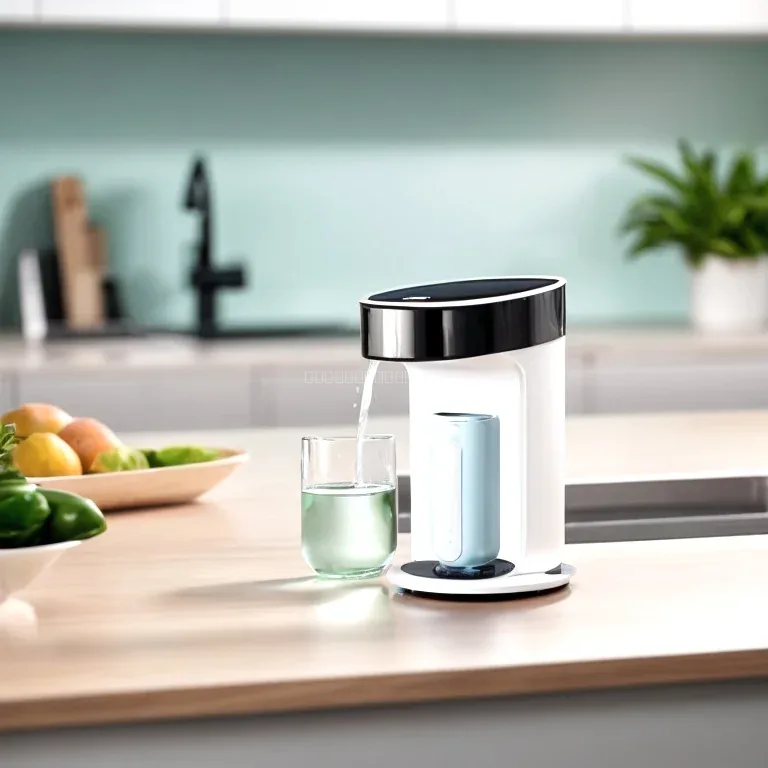
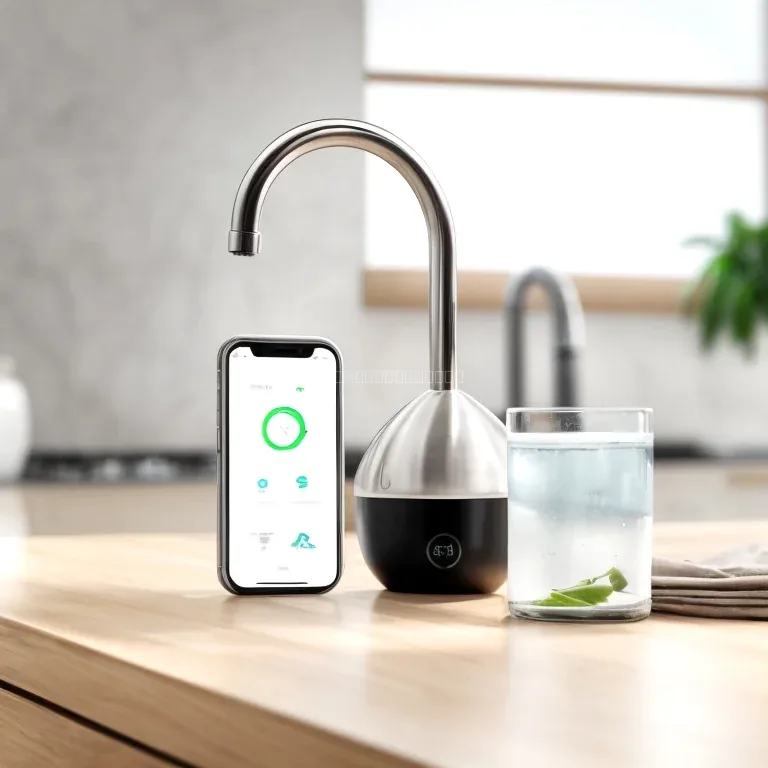
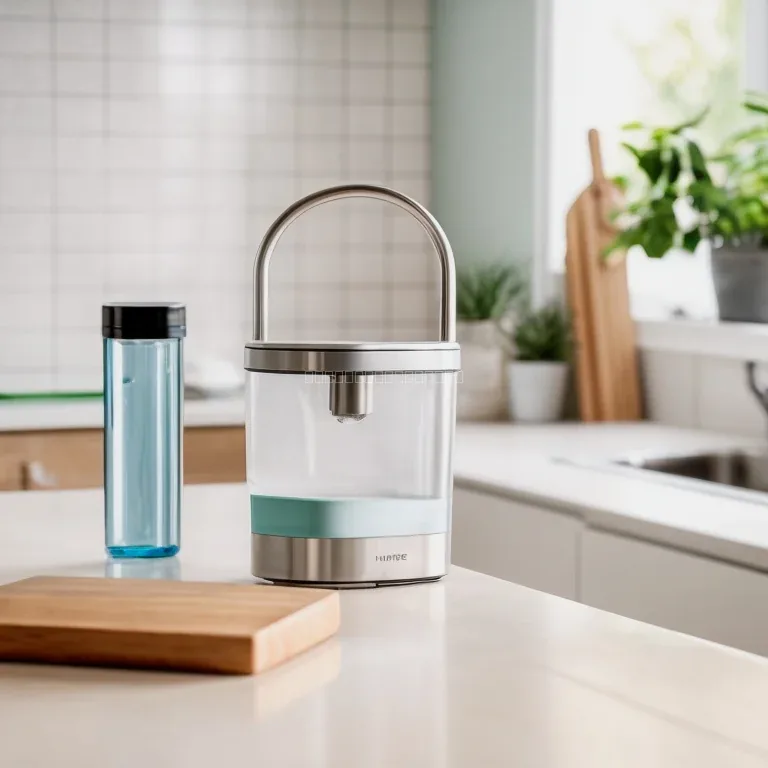
Devices are grouped by installation type and monitoring features: under-sink compact units, countertop systems, whole-house pre-filters, and point-of-use smart units with sensors and connectivity. Selection depends on water source, household size, and user priorities such as mineral retention or pathogen reduction.
- Under-sink point-of-use systems for drinking and cooking water
- Countertop and inline units for rented properties or easy installation
- Whole-house pre-filtration for sediment and chlorine reduction
Each category presents activity-offs in cost, maintenance frequency, and installation complexity. Aitopfilter provides checklists to help homeowners match device types to typical household situations in Thailand.
3
Installation and maintenance workflow
Installation workflow commonly includes site assessment, selection of filter type based on water quality and household layout, professional installation where needed, system calibration and instruction on monitoring displays or connected apps. Filters and consumables are documented with expected service intervals to assist maintenance planning.
Plan for filter replacement and sensor recalibration as regular maintenance tasks.
Aitopfilter's business model for smart home water filtration typically combines hardware sales with ongoing consumables and optional service plans. Core revenue comes from selling countertop, under-sink and whole-house filter units equipped with sensors and connectivity. Recurring revenue is generated by scheduled cartridge replacements and accessory sales. Additional services can include installation, remote diagnostics and data-driven maintenance alerts delivered via a companion app. This structure balances an initial one-time purchase with predictable follow-on orders and service interactions, allowing homeowners to budget for regular maintenance while suppliers maintain steady demand for filters and support.
4
Data handling and user privacy
Key operational considerations for a smart water filter business include supply chain for certified filtration media, partnerships with local installers, and a customer support system capable of addressing water quality questions. Regulatory compliance and third-party testing are important when marketing performance and safety attributes of filtering systems.
Product lifecycle management is also essential: monitor cartridge consumption, plan supply levels for replacement parts, and maintain firmware update infrastructure for connected devices. Data privacy and clear user consent are central when collecting operational metrics from in-home devices.
Channels and partners
Distribution channels may include direct-to-consumer online sales through Aitopfilter, local retail partnerships, and collaborations with property managers or builders. Partnerships with water quality laboratories and local technicians support product validation and field service.
5
Local parts and service availability
Cost structure emphasizes manufacturing, certification testing, and customer acquisition. Commitments in quality assurance and certified filtration components often account for a sizable portion of unit cost.
Pricing strategies can combine upfront device pricing with subscription options for filter replacements and premium support. Transparent communication of replacement intervals and expected running costs helps users make informed choices without overpromising performance.
6
Cost components and typical pricing
Target customer segments and value propositions for smart water filters generally include:
- Households concerned about local tap water taste or odor and seeking data-driven maintenance reminders.
- Small families or occupants with limited access to reliable external testing, preferring in-home sensors and alerts to indicate when service may be needed.
- Residential property managers who require predictable maintenance schedules and remote device status monitoring across multiple units.
Each segment values slightly different features — consumers may prioritize ease of use and compact design, while managers emphasize remote monitoring and bulk purchasing options.
7
Common questions for homeowners
Risks and mitigation strategies include supply interruptions, changing regulatory requirements, and incorrect installation. Mitigation can involve diversified sourcing, up-to-date compliance tracking, and certified installer networks.
From a product perspective, offering clear installation guides, quick-start diagnostics in the app, and access to trained technicians reduces service friction and supports longer product lifecycles.